
By Sarah Kloth

Eight books censored, imprisoned, or written their way out of a prison cell, and how translation became the place they survived.
Behrouz Boochani wrote his memoir one text message at a time.
Confined for more than five years in Australia’s offshore detention center on Manus Island, he had no desk, no computer, no certainty he would ever leave. What he did have was a mobile phone and an intermittent WhatsApp connection. Across thousands of messages, typed in Farsi and sent to translator Omid Tofighian, a book slowly crossed the sea before its author ever could. Sentence by sentence, signal by signal, No Friend but the Mountains emerged from a place designed to erase people from public view.
When the book won Australia’s richest literary prize, Boochani was still barred from entering the country to accept it.
That paradox echoes through every book in this collection.
Here is a novel that disappeared from Chinese bookstores three days after publication. A prison memoir drafted in Egypt with an eyebrow pencil on toilet paper because pens were forbidden. A novel written in a Kenyan maximum-security prison on rationed tissue. A memoir smuggled out of a Turkish prison through meetings with lawyers. Their circumstances differ. Their governments differ. Yet each book arrived at the same threshold, where the greatest threat was no longer whether it could be written, but whether it could continue to exist.
None of these works needed English to become literature. They were already complete, already urgent, already dangerous in the languages that first gave them life. What English offered was something else: another jurisdiction. Another readership. Another chance.
Translation, in these cases, was never simply an act of literary exchange. It became a form of passage. A book denied space in one language found room to breathe in another.
The eight works that follow span six decades and five continents. Some were banned. Some were confiscated. Some were composed behind bars with whatever materials their authors could hide or borrow. Their writers did not know who would read them, only that someone, somewhere, eventually might.
A government can confiscate a manuscript. It can silence a publisher. It can imprison the writer. What it cannot easily reclaim is a story that has already crossed into another language.
Eight Books That Wrote Their Way Out:
Presented in the order they were written or first published, tracing the censor’s reach from a kenyan maximum-security prison to a Chinese ban that took three days to land.

1. Devil on the Cross
By Ngugĩ wa Thiong’O
Written in Gikuyu, translated into English by the author · Kenya · composed 1977–78, published 1980
Arrested without charge on New Year’s Eve 1977 and held at Kamiti Maximum Security Prison, Ngũgĩ used the months of his detention to compose the first modern novel written in Gikuyu, on rationed sheets of toilet paper. His choice of language was itself the argument: a direct refusal to keep writing Kenyan literature in the colonizer’s English.
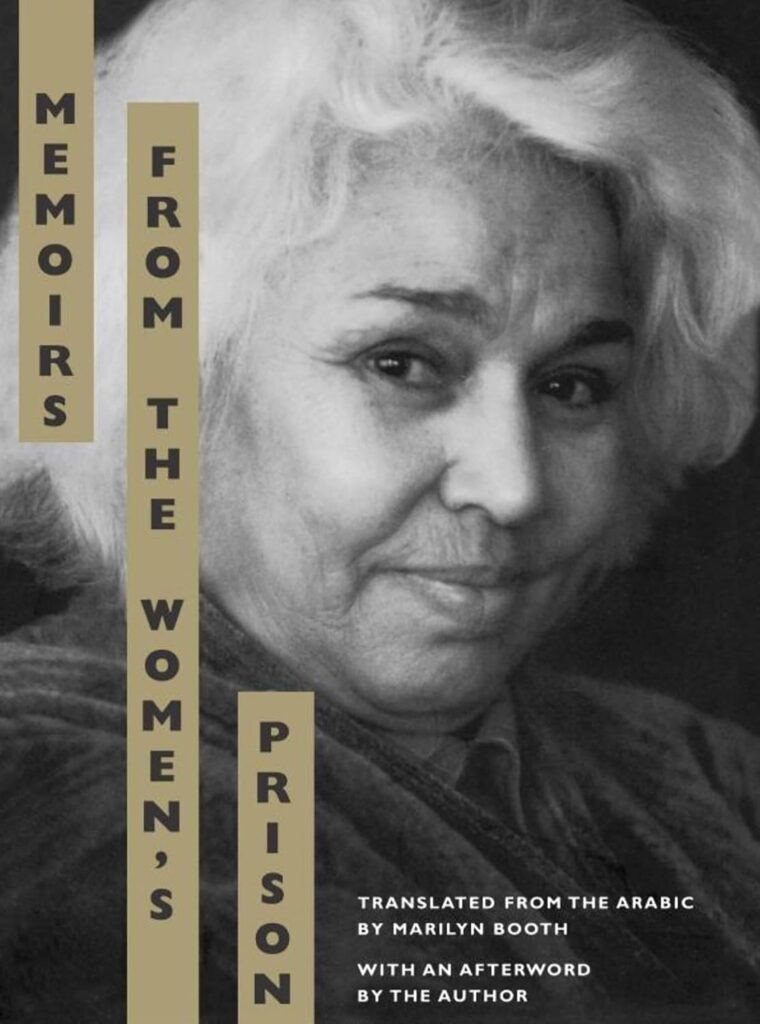
2. Memoirs from the Women’s Prison
by Nawal El Saadawi
Translated from the Arabic by Marilyn Booth · Egypt · written 1981–82, published 1983
Imprisoned by the Sadat government in 1981 for ‘crimes against the state,’ the Egyptian doctor and novelist was denied pen and paper. She smuggled in a stubby black eyebrow pencil from a fellow prisoner and wrote on a roll of coarse toilet tissue, documenting how the women inside — secular intellectuals and Islamists alike — organized to survive each other’s company as much as the state’s.
3. The Satanic Verses
By Salman Rushdie
Written in English · India / United Kingdom · published 19881980
Banned in India within days of publication and burned in the streets of Bradford before Ayatollah Khomeini issued a fatwa calling for the author’s death in 1989, the novel spent the following decade as the most famous banned book in the world, forcing Rushdie into hiding for years under British police protection. Its ban made translation moot in one direction and urgent in every other: publishers across dozens of languages defied the fatwa to keep it in print.
4. The Land of Green Plums
By Herta Müller
Translated from the German by Michael Hofmann · Romania ·
published 1994 (German), 1996 (English)
Müller was dismissed from her factory translating job in the late 1970s after she refused to become an informer for Ceaușescu’s secret police, the Securitate, and spent the following years under surveillance, interrogation, and censorship before emigrating to Berlin in 1987. The Nobel committee that awarded her the 2009 Prize in Literature praised a writer who, they said, ‘with the concentration of poetry and the frankness of prose, depicts the landscape of the dispossessed.’

5. Dream of Ding Village
By Yan Lianke
Translated from the Chinese by Cindy Carter · China · published 2006
A novel about a rural blood-selling scandal that left an entire village HIV positive, pulled from circulation on the Chinese mainland just three days after it reached shelves. Yan, one of China’s most decorated living novelists, has had six of his most recent books published only in Taiwan and Hong Kong — never on the mainland where he lives and teaches.
6. Secondhand Time: The Last of the Soviets
By Svetlana Alexievich
Translated from the Russian by Bela Shayevich · Belarus · published 2013 (Russian), 2016 (English)
The 2015 Nobel laureate’s oral history of the Soviet collapse was pulled from Belarusian libraries in 2023 and stripped from the national school curriculum two years earlier, part of a broader purge following the Lukashenko government’s crackdown on the 2020 protests. Alexievich left for exile in Berlin that same year, forced to abandon years of unfinished manuscripts behind her.
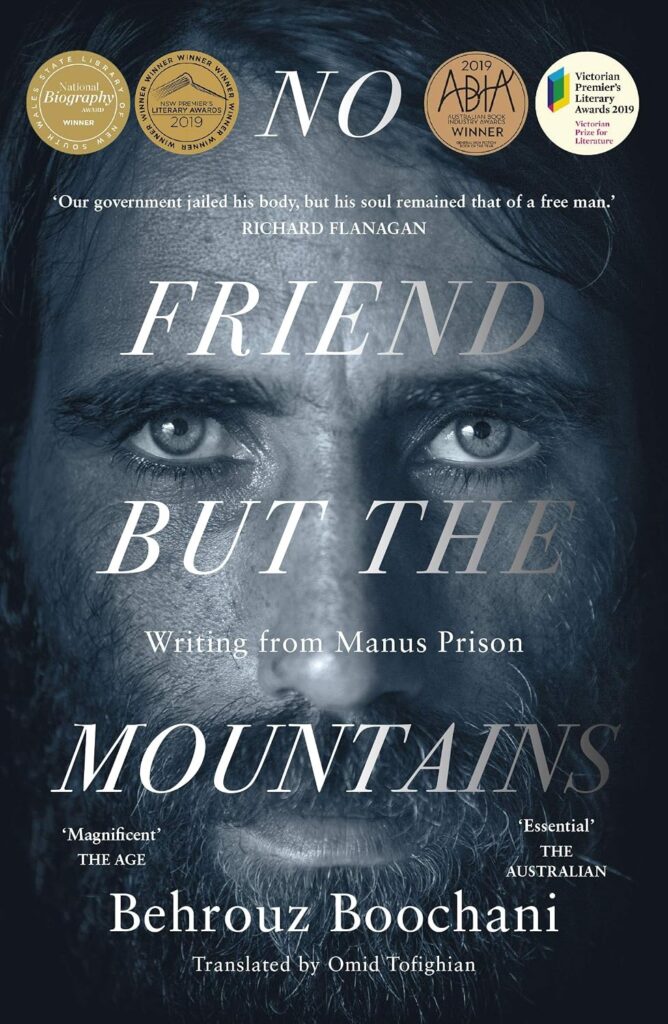
7. No Friend But The Mountains
By Behrouz Boochani
Translated from the Farsi by Omid Tofighian · Iran / Manus Island, Australia · published 2018
Composed entirely over WhatsApp during more than five years of indefinite offshore detention on Manus Island, where the Australian government sent Boochani after he sought asylum by boat. The book went on to win Australia’s Victorian Prize for Literature, the country’s most valuable literary award — a prize its author could not travel to collect.
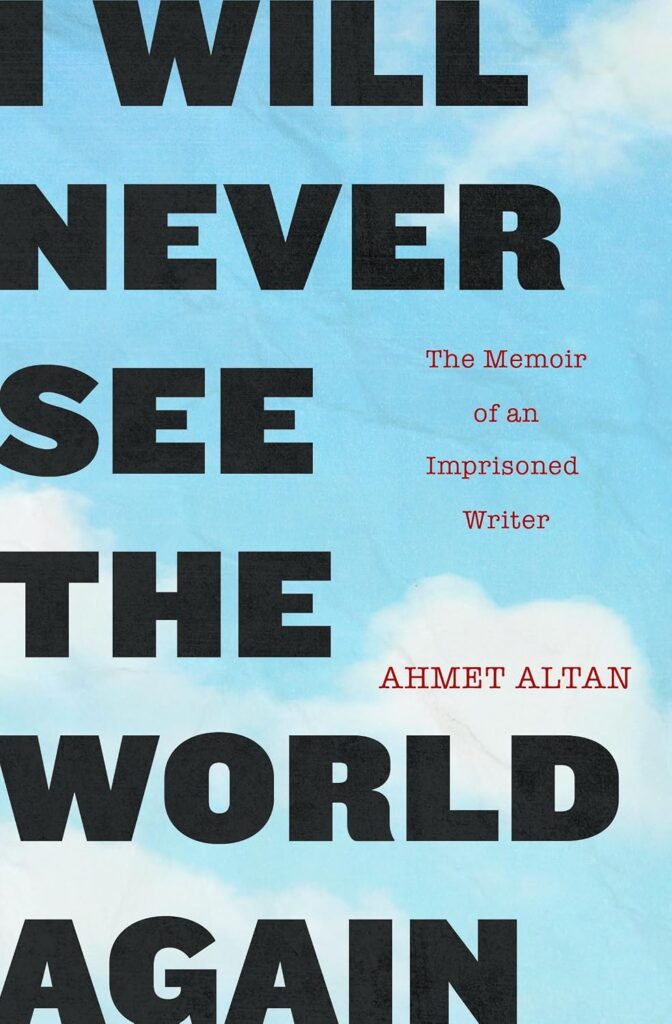
8. I Will Never See The World Again
By Ahmet Altan
Translated from the Turkish by Yasemin Çongar · Turkey
Arrested in the purge following Turkey’s failed 2016 coup and sentenced to life without parole for allegedly sending ‘subliminal messages’ in support of the plot, the veteran journalist and novelist wrote his memoir from Silivri Prison, smuggling pages out through his lawyers one visit at a time.
What Survives the Sentence.
None of these authors intended to become symbols of censorship. They intended to write books.
The censorship came afterward. So did the translation.
Behind every volume here is another, quieter act of courage: a translator deciding that one voice, written under surveillance or behind prison walls or against the threat of disappearance, deserved another life. Not a replacement life, but an additional one. Another language. Another readership. Another archive against forgetting.
Boochani eventually received his prize money. He still could not enter the room where his work was being celebrated.
Perhaps that distance says everything.
Between the country that tried to contain a book and the readers who welcomed it anyway lies the enduring purpose of translation. It does not make literature universal. It makes literature harder to erase.
Every language a censored book enters becomes another place where memory survives, where power loses a little of its certainty, and where a writer’s voice continues long after borders, prisons, and bans have tried to silence it.

Continue Reading:
Article originally Published in the Spring 2026 Issue: Rooted & Rising.