
By Sarah Kloth

Women writers, translated into English in 2026, whose books cross languages, break form, and reclaim the stories only they were positioned to tell.
“A story crosses a border only when someone insists on carrying it across.”
In February, the Bulgarian writer Rene Karabash published a novel about a nun who is silenced, beaten, and very nearly erased for the crime of thinking for herself. Two months later, that novel — She Who Remains — was shortlisted for the International Booker Prize, one of six finalists chosen from 128 books submitted from around the world. The nun in Karabash’s story is denied a voice inside her own account. The woman who invented her claimed one instead — in Bulgarian first, and now in English. That gap is the real story hiding inside this year’s crop of women in translation: the story of what gets allowed to survive the crossing into another language, and who gets to decide.
Books arrive in translation the way people arrive at a border: vetted, delayed, sometimes turned back outright, and always changed a little by the crossing itself. For most of publishing history, that vetting favored a narrow kind of story by default — a soldier’s war, a man’s exile, an experience already assumed to be universal. A woman’s account of grief, captivity, desire, or labor moved through that same crossing far more slowly, treated as a special case that owed the border guard extra paperwork. A handful of small presses rewrote that math by asking a different question of every manuscript: was the writing exact, rather than whether it was already familiar.
That shift is happening now, at the exact moment actual borders are getting harder to cross. Refugee routes are closing. Trade publishing keeps consolidating into fewer, more risk-averse hands. And yet a chronically underfunded slice of American independent publishing — presses with names like Transit, Charco, and Open Letter, several of them one bad grant cycle from folding — keeps spending years of translator labor on books that make their case purely on the strength of the writing: a nun’s fury written in a single unbroken breath, a myth rewritten as a cartel horror story, a woman training in total sincerity to become the strongest person alive. Every acquisition is a dare, renewed. What follows are the books that took it, and — wherever we could get them — the words of the women who wrote them, on why.
The Crossings.
2026 has given English-language readers an unusually deep shelf of women writing in translation. This is a curated selection, chosen because each writer crossed something specific: a language, a form, a silence, a myth. Where possible, we went to the source: the authors’ and translators’ own words, in their own interviews, about why these particular crossings mattered enough to make.
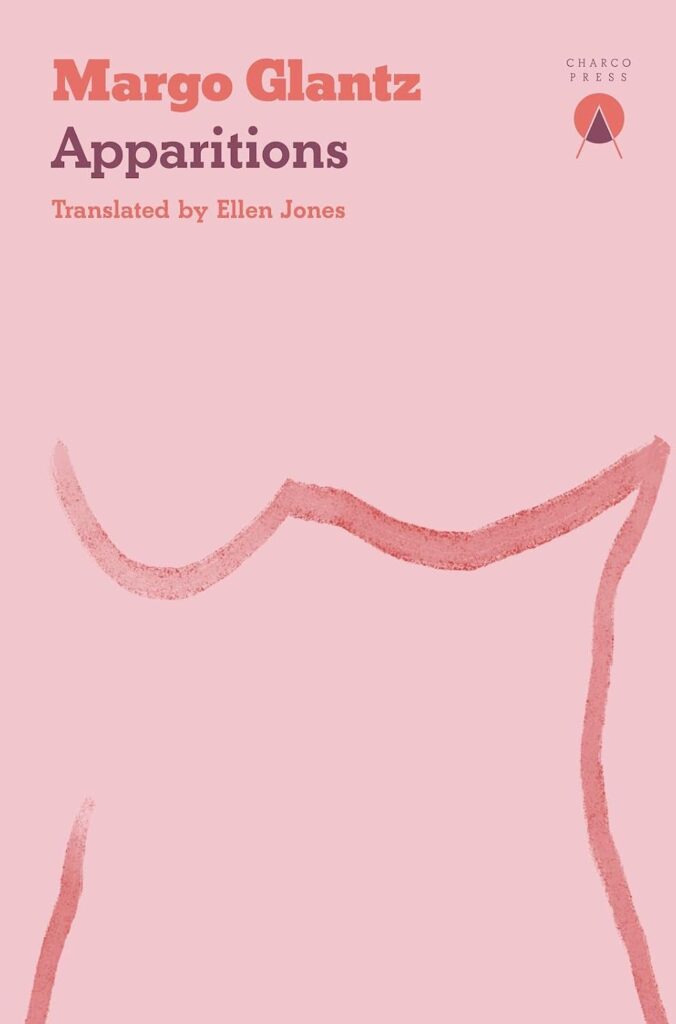
Apparitions
by Margo Glantz
Translated by Ellen Jones
Charco Press · January 20, 2026 · Mexico
The late grande dame of Mexican letters returns with a slippery, genre-bending meditation on memory, the body, and the ghosts that accumulate in a long writing life. Glantz, who died in 2025, remains one of Latin America’s most formally daring essayist-novelists, and Jones’s translation captures the restless, associative style that made her a touchstone for generations of Mexican writers. Glantz traced the book’s origin to a single, visceral encounter with Pier Paolo Pasolini’s film Saló:
“It struck me so hard that as soon as I got home, I started writing the book.”
— Margo Glantz, in an interview with El Cultural / El Español (translated from the Spanish)
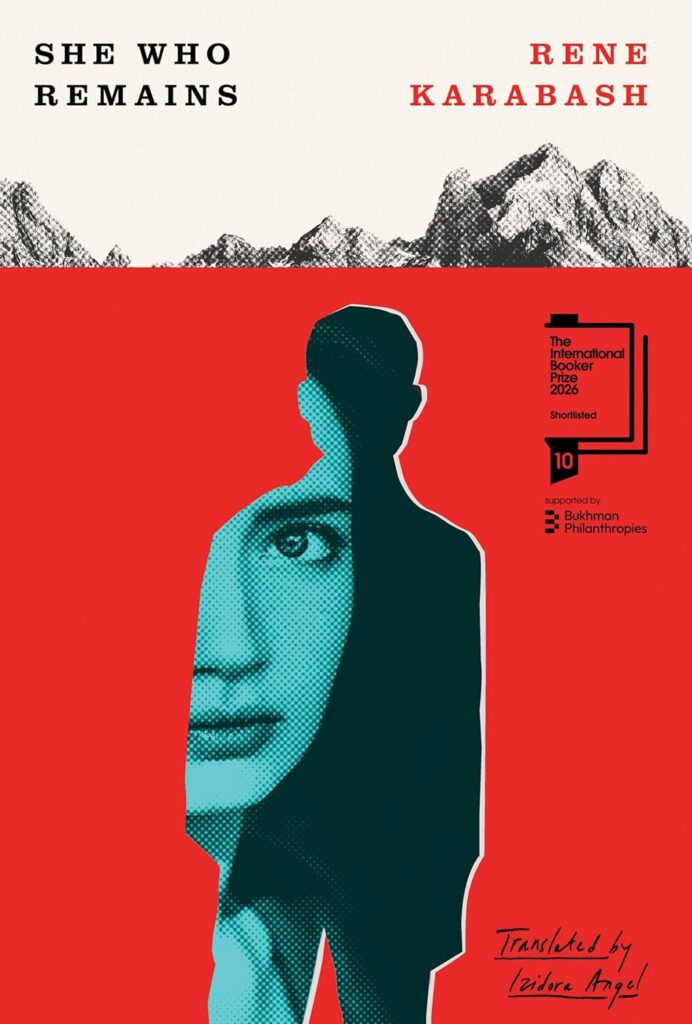
She Who Remains
by Rene Karabash
Ttranslated by Izidora Angel
Sandorf Passage / Peirene Press · February 10, 2026
Shortlisted for the 2026 International Booker Prize, this ferocious debut follows a woman cloistered — and brutalized — within a secretive religious order. Karabash, also an actor and playwright, found her characters after seeing a photography exhibition on Albania’s “sworn virgins,” women who take on a male social role at the cost of erasing their own femaleness. She described how the novel arrived once that image took hold:
“The ‘voice’ appeared suddenly and told the story in a single breath, it dug through my wounds, defied rules — no formal sentence structure, no capitalisation, no quotation marks.”
— Rene Karabash, in an interview with The Booker Prizes
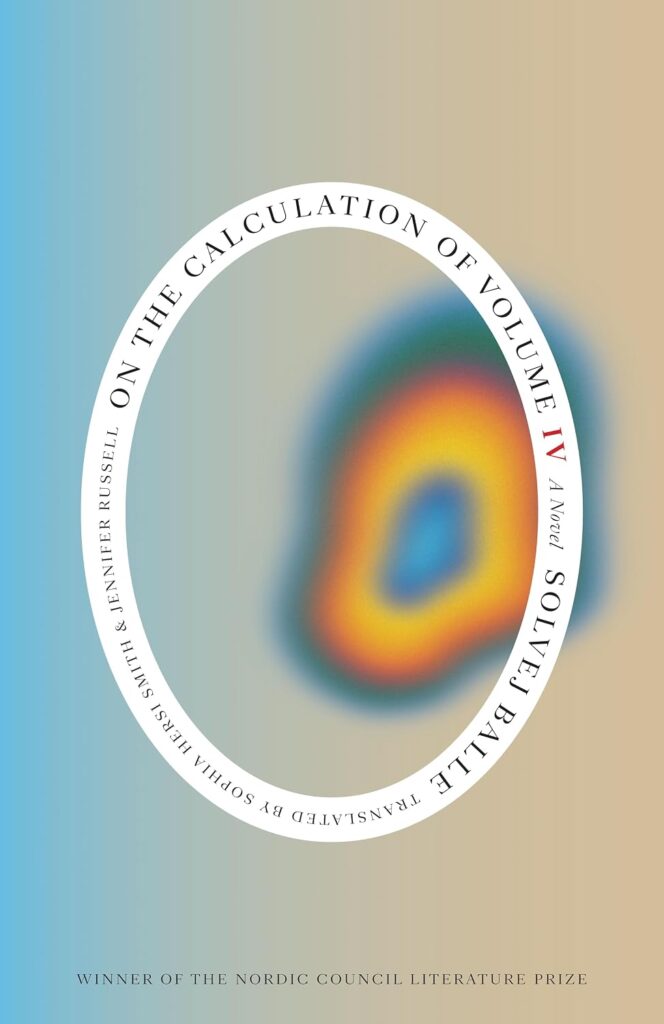
On The Calculation of Volume
by Solvej Balle
Translated by Barbara J. Haveland
New Directions · April 14, 2026
The fourth installment of Balle’s mesmerizing, Nordic Council Prize–winning septology continues the story of Tara Selter, a rare-book dealer trapped reliving the same November day. Balle has said the premise came from an idea she tried for years to abandon, especially once Groundhog Day beat her to the high concept — but it kept resurfacing, more philosophical than comic each time:
“I realised that there was something in it that I wanted to know more about — the philosophy of the repetition; what happens if the day repeats itself.”
— Solvej Balle, in an interview with The Booker Prizes
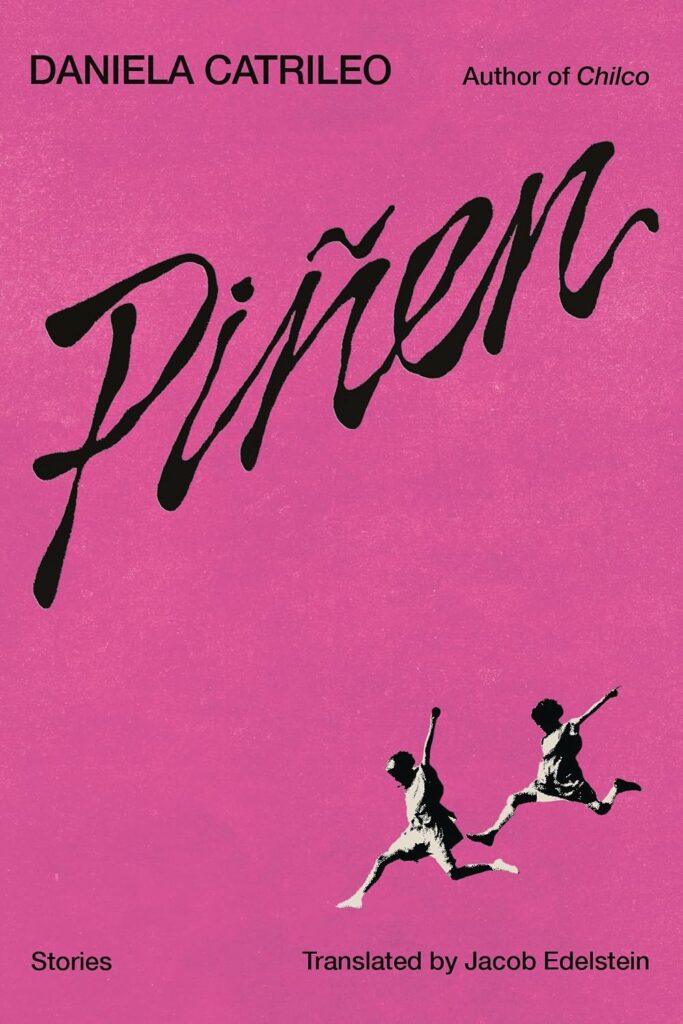
Piñen
by Daniela Catrileo
Translated by Jacob Edelstein
Charco Press · 2026 · Chile
A fierce, tender story collection about Mapuche youth navigating identity, poverty, and belonging in contemporary Chile, from a writer, artist, and philosophy professor who is one of the leading voices of Mapuche literature today. Catrileo chose her title carefully — it’s Chilean slang with a specific, loaded history:
“‘Piñen’ is significant because it can name race, class, and gender… it’s a Mapuche word that I reclaim as the colloquial speech of Chileanness.”
— Daniela Catrileo, in an interview with Radio Concierto Chile (translated from the Spanish)
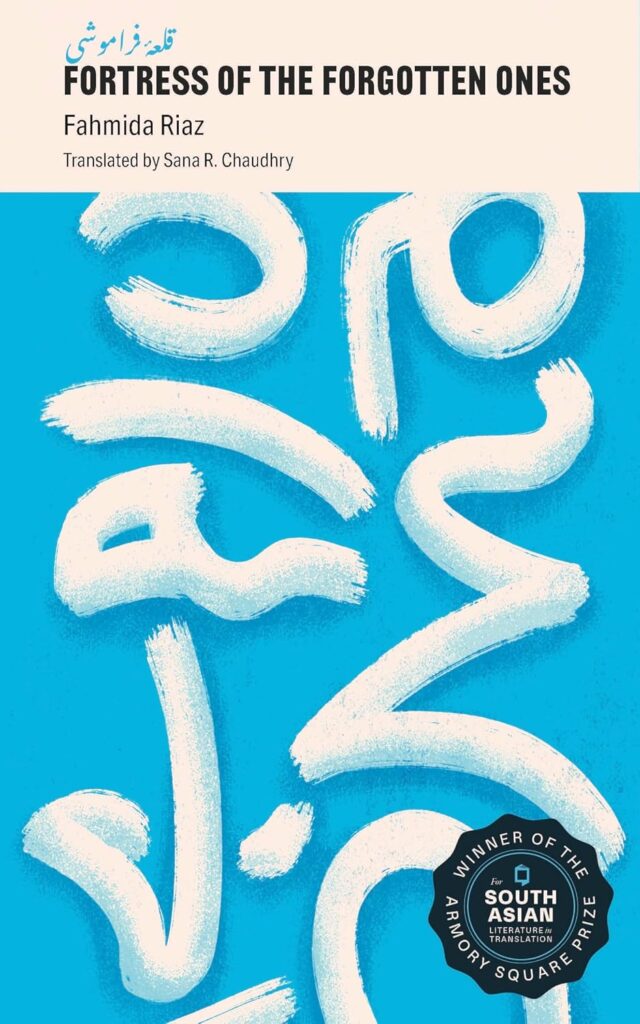
Fortress of the Forgotten Ones
by Fahmida Riaz
Translated by Sana R. Chaudhry
Open Letter Books · March 2026 · Pakistan
The late Fahmida Riaz was one of South Asia’s most fearless feminist poets and novelists, censored and briefly exiled for her politics. This first English translation of her fiction introduces Anglophone readers to a writer whose formal daring and nerve rival better-known contemporaries. Riaz spent decades defining, in plain terms, what her feminism was actually asking for:
“What it means for me is simply that women, like men, are complete human beings with limitless possibilities. They have to achieve social equality… there is the right to walk on the road without being harassed, or to be able to swim or write a love poem like a man without being considered immoral.”
— Fahmida Riaz, quoted in Dawn (Images), reflecting on her life’s work
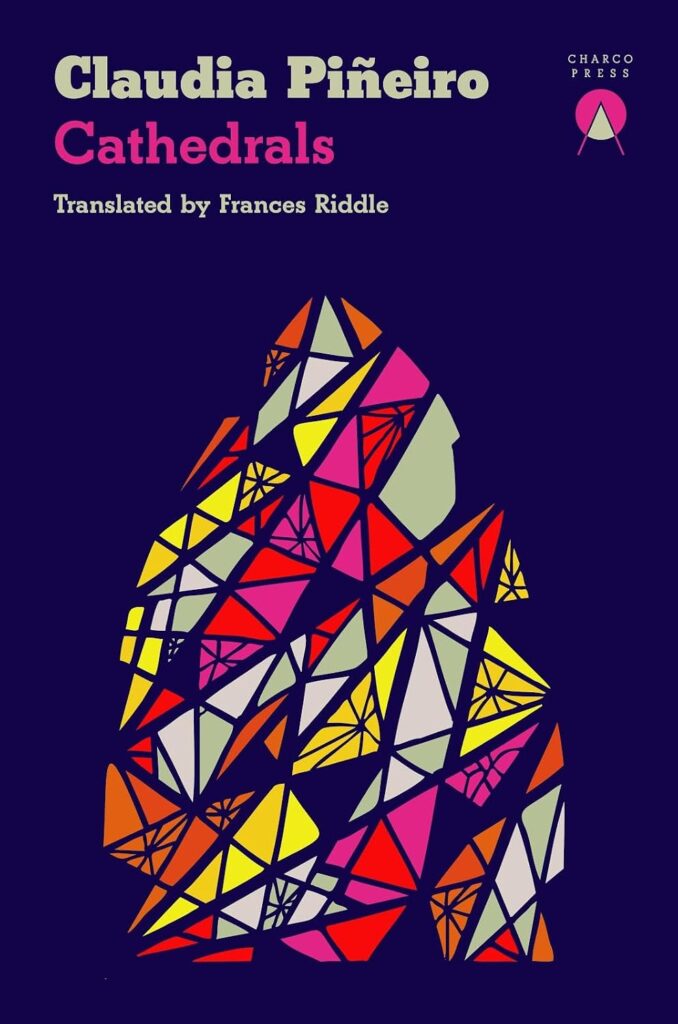
Cathedrals
by Claudia Piñeiro
Translated by Frances Riddle
Charco Press · June 9, 2026 · Argentina
Argentina’s best-selling crime novelist returns with a multi-generational mystery: a teenage girl’s murder thirty years unsolved, a family quietly unraveling, and a father whose stubborn love finally forces the truth into daylight. Riddle’s translation gives Piñeiro’s propulsive plotting its full due in English. On the novel’s central, uncomfortable idea — that gender violence gets explained away as a private matter of love gone wrong — Piñeiro has been blunt:
“It seems that in every case, romantic love is treated as the prelude to gender-based violence. And that’s not true.”
— Claudia Piñeiro, in an interview with Infobae (translated from the Spanish)
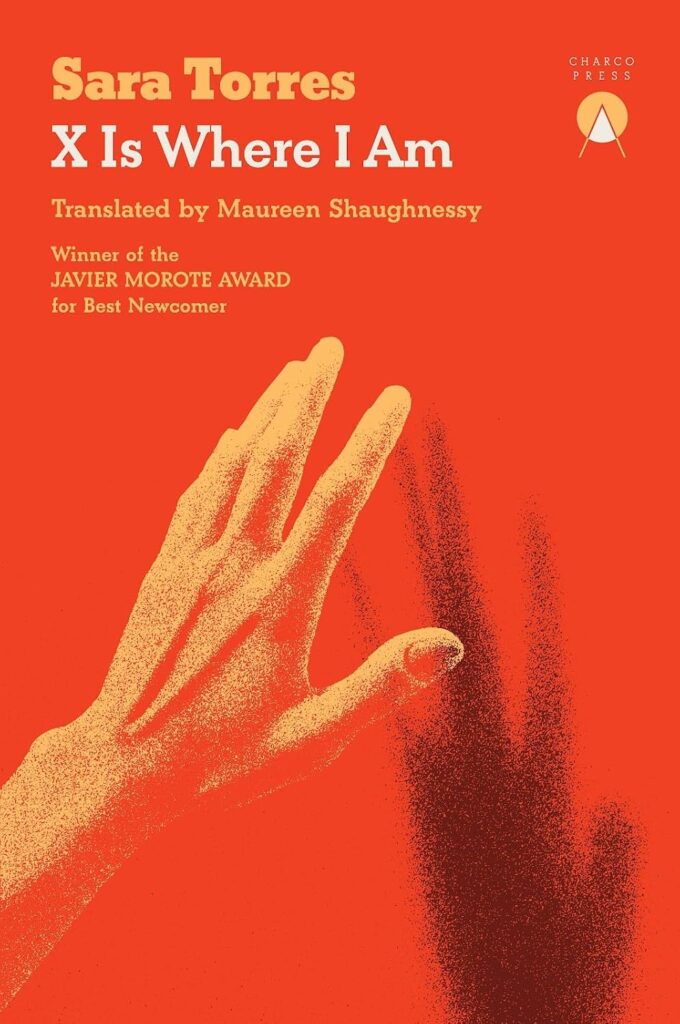
X Is Where I Am
by Sara Torres
Translated by Maureen Shaughnessy
Charco Press · March 3, 2026 · Spain
Shortlisted for the 2026 International Booker Prize, this ferocious debut follows a woman cloistered — and brutalized — within a secretive religious order. Karabash, also an actor and playwright, found her characters after seeing a photography exhibition on Albania’s “sworn virgins,” women who take on a male social role at the cost of erasing their own femaleness. She described how the novel arrived once that image took hold:
“While my mother was dying, I was making love. The image astonishes and disturbs me.“
— opening lines of X Is Where I Am, as reported by EFE / efeminista.com (translated from the Spanish)
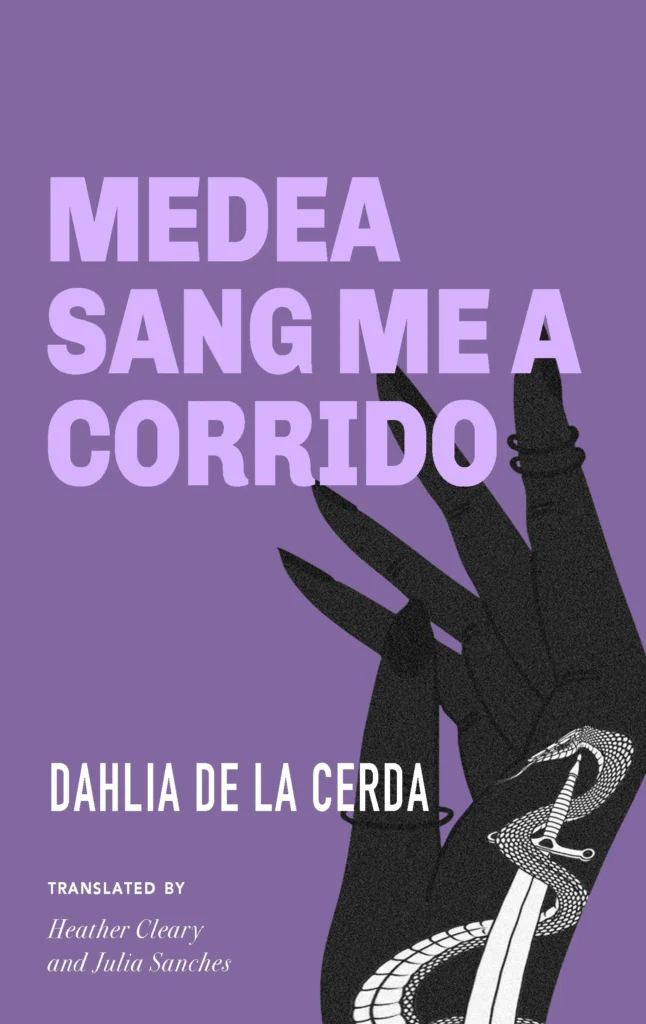
Medea Sang Me A Corrido
by Dahlia De La Cerda
Translated by Julia Sanches and Heather Cleary
Feminist Press · June 16, 2026 · Mexico
From the International Booker–nominated author of Reservoir Bitches, a reimagining of Medea as an avenging anti-angel moving through Mexico’s cartel wars, border deserts, and clinics. Co-translated by two of the field’s most sought-after voices from Spanish, it insists that joy and care stay fully available to its characters, even inside the violence. As de la Cerda put it at a 2024 FIL Guadalajara presentation on the book:
“Even in a violent context, people also deserve to enjoy life and find moments of care and connection — it’s also okay that in the midst of violence we like to dance, we like to organize ourselves among ourselves, we like to take care of each other.”
— Dahlia de la Cerda, quoted by Zona Docs (translated from the Spanish)
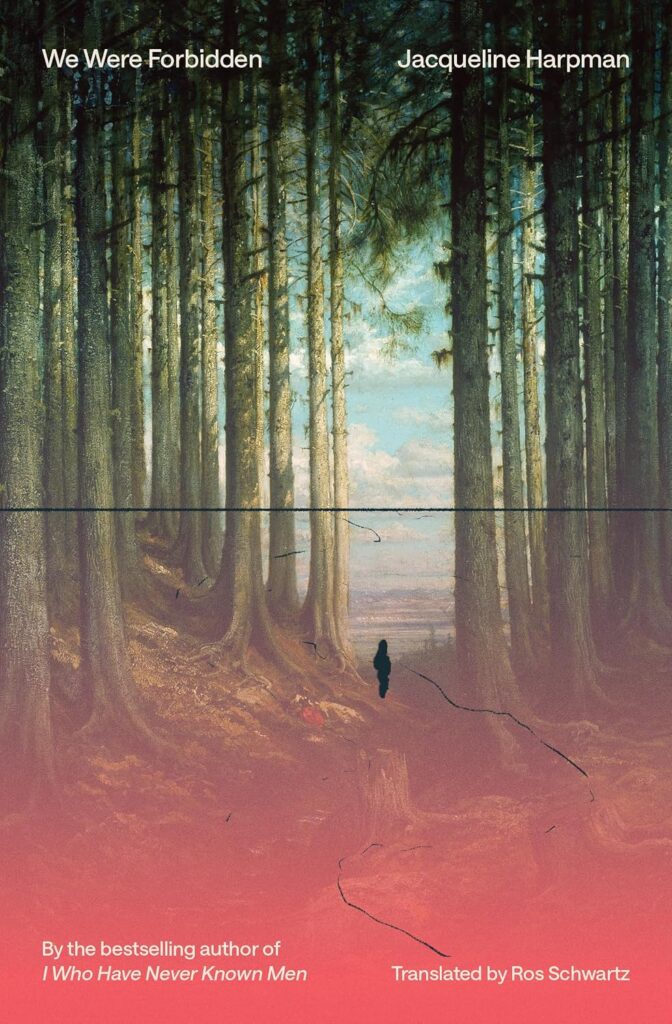
We Were Forbidden
by Jaqueline Harpman
Translated by Ros Schwartz
Transit Books · July 7, 2026 · Belgium
Three previously untranslated novellas from the late Belgian author of I Who Have Never Known Men, whose cult following has only grown since her death. Harpman died before this collection reached English, so we asked instead the person who has spent nearly thirty years inside her sentences. Translator Ros Schwartz, who corresponded with Harpman by mail in the 1990s and has now translated three of her books, on the throughline across all of them:
“Her women are all rebels in their own way, breaking societal taboos, sometimes scandalously… translators can have agency through the books we choose to champion — focusing on untranslated women writers and bringing them into English.”
— Ros Schwartz, interviewed by Hannah Peterson for Parnassus Books’ Musing, June 27, 2026
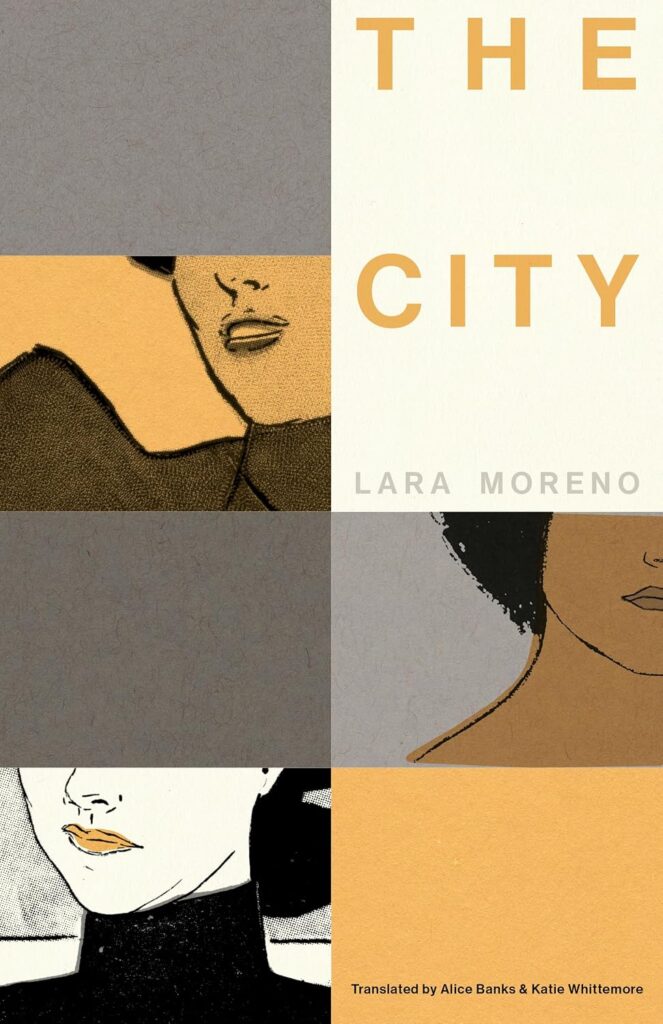
The City
by Lara Moreno
Translated by Alice Banks and Katie Whittemore
Open Letter Books · 2026 · Spain
Moreno has built a reputation in Spain for unsentimental, interior novels about women’s domestic and creative lives; this co-translation tracks three women across Madrid and the city’s invisible labor that keeps it running. Asked about the immigrant workers who move through the book’s background, Moreno met the question head-on:
“I don’t think we want to look at them. We eat the strawberries they pick, our houses are clean, they care for our elders — but we don’t want to look at them.”
— Lara Moreno, in an interview with Trabalibros (translated from the Spanish)
Also Worth Watching.
Some of the year’s most talked-about titles arrived just before the calendar turned and are still very much shaping the conversation.
Ana Paula Maia’s On Earth As It Is Beneath, translated by Padma Viswanathan for Charco Press, was shortlisted for the 2026 International Booker Prize; Maia has said the confined, brutal setting of her penal-colony horror story owes a debt to Kafka’s “In the Penal Colony” and to Foucault, and that writing it left her with a bleaker, wider point: “beyond the application of laws to criminals, in the end, we are all imprisoned in this world, with walls that may or may not be visible” (from an interview with The Booker Prizes).
Olga Ravn’s The Wax Child, translated by Martin Aitken, was longlisted for the same prize — a 17th-century Danish witch trial narrated by the wax doll at its center. Sigrún Pálsdóttir’s Boudoir and Steinunn G. Helgadóttir’s The Strongest Woman in the World, both out from Open Letter as part of a 2026 Icelandic “Translator Triptych,” introduce English readers to a literary scene they’ve mostly met, until now, through crime fiction alone.
And Deep Vellum’s Best Literary Translations 2026, guest-edited by Arthur Sze, gathers poetry and prose from more than sixty languages, with women translators and authors well represented throughout — proof that the anthology remains just as vital an entry point into this work as any single novel. This happens by design.
A Chorus, Heard in Full.
Nonprofit presses in Oakland, Rochester, Edinburgh, and Brooklyn treat translation as infrastructure, building whole catalogs where the rest of the industry chases single, low-risk bets — and translators like Frances Riddle, Julia Sanches, and Izidora Angel are given the runway to become known for a specific sensibility, credited as artists rather than functioning as invisible intermediaries. What that infrastructure protects, book by book, is exactly what publishing has always been fastest to erase: a voice that sounds like itself and only itself, from a woman who claimed her place at the border rather than waiting to be waved through.
So consider this list an invitation to cross something yourself. Start anywhere: with a Bulgarian nun’s fury that comes in a single unbroken breath, an Icelandic strongwoman’s training montage, a Chilean collection that keeps its own slang exactly as spoken. Each of these women wrote as though the border already belonged to her. In a year when so many actual borders are closing — to refugees, to journalists, to the free movement of people whose stories resist a tidy category — a small press deciding a Bulgarian nun’s rage is worth translating intact is itself an act of defiance. It’s a wager, renewed with every book, that the map still belongs to whoever is willing to walk the whole of it.
Continue Reading:
Article originally Published in the Fall 2026 Issue: Global Reads.